Autoware evaluation lab
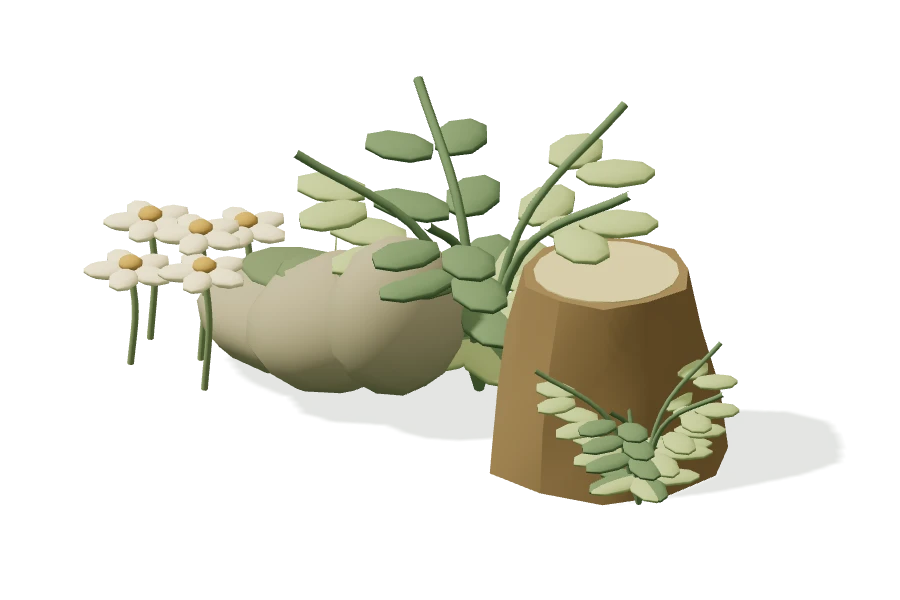
A full Linux build of Autoware run by the official procedure, completed in 6h35m26s with all 621 target packages succeeding. The environment, the inputs and every failure along the way are recorded.
How is new technology invented—and brought into society?
Anomaly-detection pipelines, model quantization, an Autoware build, and browser tools. Explore the implementation, how to run it, and the measured results.
A full Linux build of Autoware run by the official procedure, completed in 6h35m26s with all 621 target packages succeeding. The environment, the inputs and every failure along the way are recorded.
I built an anomaly-detection pipeline from bearing vibration data to model training and alarm evaluation. On the public IMS dataset, the fixed protocol that holds out entire test runs did not establish an advantage for deep autoencoders.
I built a synthetic vibration generator and an anomaly-detection experiment with feature extraction and model evaluation. Scores fell when machines were kept separate between training and evaluation, exposing results inflated by data leakage.
I built a CLI that connects model quantization, ONNX export and CPU measurement. On 10,000 Fashion-MNIST test images, W4A8 accuracy fell from 94.76% to 94.22%; the exported ONNX file grew by about 0.18%.
I built a document-checking tool with a Python library, CLI and review interface. YAML rules identify issues; a person can approve an exception or return a document, and the audit history preserves both the finding and the decision.
A small browser workshop for connecting input, process, and output blocks and exploring their effects through light, sound, and color.
I built clipboard-history apps for macOS and Windows. Text, images and files retain their own previews and actions, while hints in the interface show how modifier keys and permissions affect each action.
A patch and measured comparison for official tools that silently selected the CPU on Apple Silicon even when MPS was available.
A small iOS work about passing time, with a rising and falling tide and a bush warbler that calls when you pause.
A photograph of a form becomes a working application.
AI HACKATHON 2026 TOKYO
Finalist · 56 teams
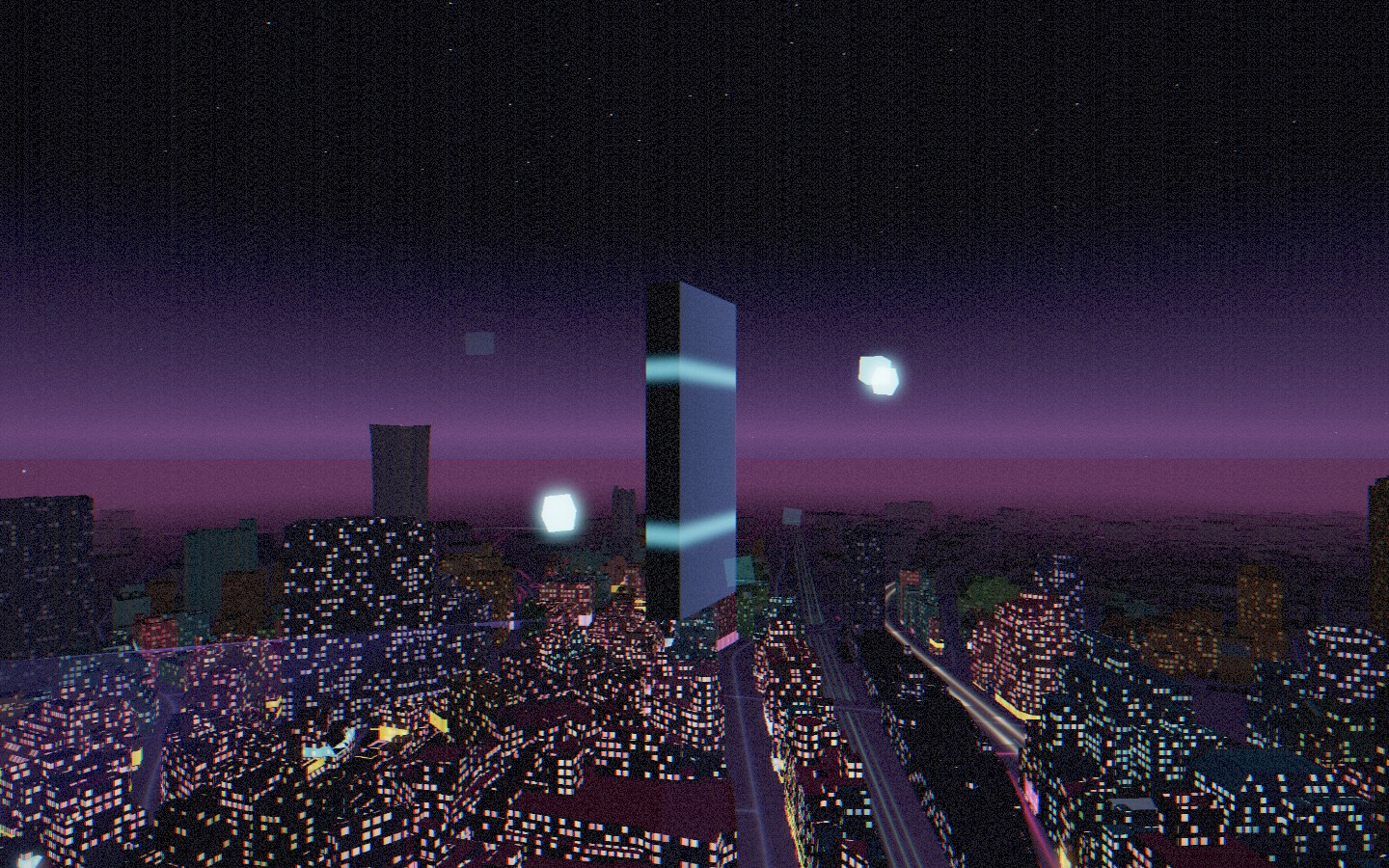
A simulation of Shibuya, running in your browser.
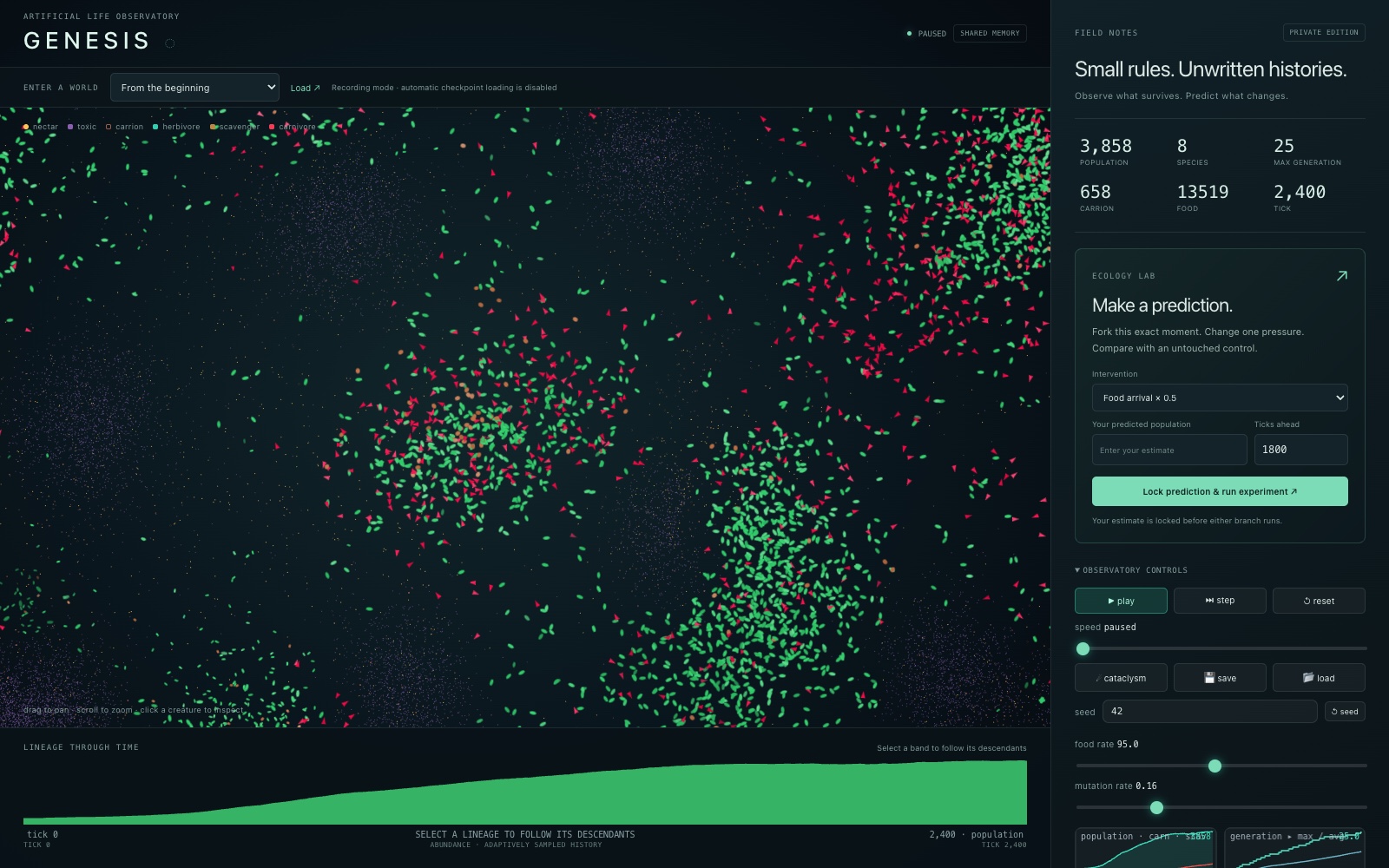
Small rules create a world of feeding, birth, and change.

Art for Well-being
A playful mochi made with quiet hours in a hospital room in mind. Press and release with touch or a mouse.
Separating haptics into a core, operations, engine integration, and a test environment.
Building an open-source driving stack toward repeatable runs, with build and evaluation records.
Project management using waterfall and methods informed by distributed agile.
Over three months, built a RAG system that retrieves domain-specific knowledge, combining calculations based on user-supplied conditions with qualitative reports to improve the quality of the information provided.
Completed coding tasks focused primarily on frontend languages.
Applied LightGBM and other methods to anomaly detection in manufacturing data.
Over approximately two months, worked from concept development, interviews and problem definition through requirements alignment and implementation. Built deterministic rendering that turns generated specifications into interfaces using fixed rules.
Over approximately a year and a half, alongside Japanese localization, worked on proof-of-concept validation, stakeholder coordination and application improvements with engineers abroad.
How is new technology invented—and brought into society? I build things, try them, and bring what I learn back into the next design. Through that cycle, I explore how technology becomes something people can use. What matters to me is innovation: creating new ways of doing things and making them work in society. The projects here record what I tried, what I could verify, and the questions that remain.